


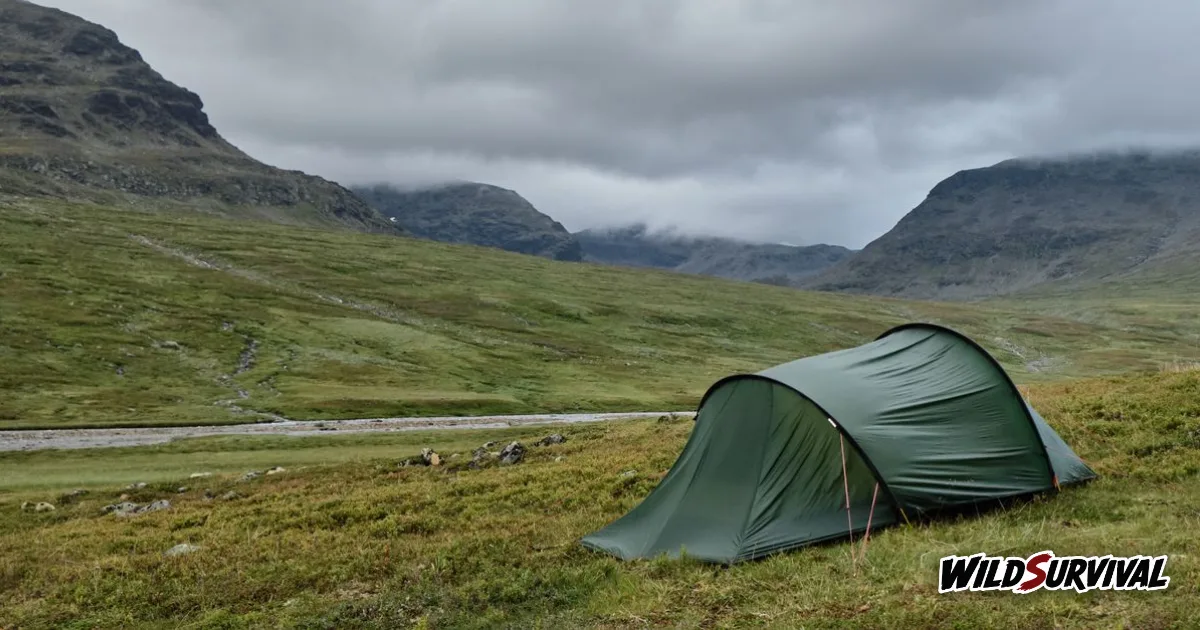
Wild camping in Scotland is legal on most unenclosed land, from hills and moorland to woods, thanks to the access rights created by the Land Reform (Scotland) Act 2003 and set out in the Scottish Outdoor Access Code. The condition fits in one line: lightweight camping in a tent, in small numbers, for no more than two or three nights in one place, well away from buildings and roads, leaving no trace. The big exception sits around Loch Lomond, where certain lochshore zones need a permit from 1 March to 30 September. Here are the rules, the habits expected of you on the ground, and what to know about midges.
The legal basis for wild camping in Scotland
It all starts with an Act of the Scottish Parliament passed in 2003, the Land Reform (Scotland) Act. Its first section creates access rights that cover two things: the right to be on land, including for recreational purposes, and the right to cross land. Those rights apply across most of the country, private land included, provided you use them responsibly.
The Act is precise about the second right. Crossing land, in its wording, means going into it, over it and out of it only to get from one place outside that land to another. For wild camping in Scotland, the right that matters is the first one, being on the land for recreation, which is what lets you stop, pitch and sleep there for a night or two.
The rulebook for that responsibility is the Scottish Outdoor Access Code, published by NatureScot on the Outdoor Access Scotland website. It rests on three principles, which the site puts as respecting the interests of other people, caring for the environment, and taking responsibility for your own actions. The Code also spells out what the rights leave out: shooting, fishing and access with motor vehicles.
If you have camped south of the border or abroad, the contrast is stark. In France, for instance, pitching up depends on the landowner, local by-laws and protected-area rules, as our guide to wild camping in France explains. In Scotland the starting point is access, and the exceptions are what you need to learn.
The Code’s conditions for wild camping in Scotland
The camping page of the Outdoor Access Scotland practical guide sets the frame in one sentence: access rights include lightweight camping in a tent, in small numbers and for no more than two or three nights in one place. Three words carry the weight. Lightweight means a walker’s tent, pitched in the evening and struck in the morning. Small numbers rules out large groups settling in for days. And two or three nights is the point at which you move on.
The same guide lists where to keep your tent away from:
- enclosed fields with crops or farm animals;
- buildings and roads, which you should camp well clear of;
- historic sites, forests, farmland and peaty ground when it comes to lighting a fire.
For wild camping in Scotland, the Code also asks you to take away all your belongings and litter and leave no trace of your visit. That is the thinking behind our guide to Leave No Trace, applied here as a condition of the right itself.
More articles on WildSurvival
- Paracord 550 Uses: The Mil-Spec Cord in Camp and Its Limits
- Treating Burns Outdoors: Cool, Cover and Call for Help
- Avalanche Risk Snowshoeing: Bulletins, Kit and Safe Routes
Your car stays outside the access rights
One point matters for anyone driving up to go wild camping in Scotland: access rights do not include motor vehicles. Outdoor Access Scotland makes this clear in its section on parking. The wild camping the Code describes is for the walker, cyclist or paddler carrying a tent. Sleeping in a car, van or motorhome parked by the road falls under parking rules and sits outside this framework.
In practice, that means leaving your vehicle somewhere you are allowed to park, without blocking field gates or tracks, and walking in to your pitch.
Loch Lomond and the Trossachs: a seasonal permit
Loch Lomond & The Trossachs National Park has run Camping Management Byelaws since 2017. According to the park authority’s page on the byelaws review, they apply from 1 March to 30 September in lochshore areas known as Camping Management Zones. During that period, anyone wanting to camp there must book a camping permit or stay at a managed campsite.
The park’s booking page explains how it works. A permit costs £4.50 per tent, or per motorhome or campervan, per night, and every tent needs its own. It covers up to three nights in one permit area, can be booked online up to four weeks ahead, with arrival from 1pm and departure by 11am on the last day. Organised groups such as the Duke of Edinburgh’s Award or Scouts apply for permission free of charge. Cancellations go by email up to a week before your stay, with no refunds on bookings under £9. Out of season, the park says no permit is needed between 1 October 2026 and 28 February 2027, so wild camping in Scotland on those shores falls back under the Code alone.
| Point | Loch Lomond rule |
|---|---|
| Season | 1 March to 30 September |
| Where | Camping Management Zones on the lochshores |
| Price | £4.50 per tent or vehicle per night |
| Maximum stay | 3 nights in one permit area |
| Booking | Online, up to 4 weeks ahead |
The park also runs several simple lochside campsites, including Loch Chon, Loch Achray, Inchcailloch and Sallochy, which are a fallback when permit areas are full. Before any wild camping in Scotland on the park’s shores, check the zone map to set your stops.
These rules are moving. The byelaws must be reviewed every ten years: a public consultation ran from 29 June to 21 September 2026, the review is due to go to Scottish Ministers by 1 March 2027, and any agreed changes would take effect from 1 March 2028. Check the park’s page before each trip.
Fires, toilets and water: what is expected
On fires, the Code that governs wild camping in Scotland is cautious. It asks you not to light open fires, fire bowls and barbecues included, during periods of high fire risk or near forests, farmland, peaty ground, buildings and historic sites, and to follow warnings from the Scottish Fire and Rescue Service. It recommends a camping stove on a level, non-flammable surface, watched closely. Deadwood stays on the ground, and trees are never cut or damaged. If a fire gets out of control, call 999.
For toilet needs, Outdoor Access Scotland suggests packing a trowel, toilet paper, hand sanitiser and sealable bags. Urinate at least 30 metres from lochs, rivers and burns. For anything more, move well away from buildings, paths, open water and farm animals, then bury it in a shallow hole and replace the turf, or bag it and carry it out. Wash your hands afterwards.
These habits apply everywhere you go wild camping in Scotland, the remotest corners of the Highlands included. They are the direct trade-off for the freedom to roam.
Midges, the real summer challenge
If you plan on wild camping in Scotland in summer, prepare for midges, the tiny biting flies of the Highlands. The Visit Inverness Loch Ness blog puts their season from mid-May to September, with peak activity at dawn and dusk, especially when it is cloudy, damp and still. Even a slight breeze chases them away.
The same post keeps its advice simple: keep moving, avoid sitting about outdoors in still, humid weather, use a repellent or wear a wide-brimmed hat with a net, and check the midge forecast in summer. It notes that the coast and the shores of Loch Ness are largely midge-free, while somewhere like Glen Affric is more likely to have them. When choosing a pitch, a breezy, open spot beats a sheltered hollow by the water.
Planning your first wild camp in Scotland
Start with the map. Mark houses, farms and roads, then look for flat ground beyond them, on open moor or at the edge of woodland, far enough out that nobody sees your tent from a window. Next, check whether your route crosses Loch Lomond & The Trossachs National Park between March and September; if it does, book your permit before you set off.
On the ground, the custom is to pitch late and pack early, keep a low profile and move on after two or three nights at most, as the Code sets out. Carry a stove so you never depend on a fire, a way to treat water from the burns, and bags to take every scrap of rubbish home. Good wild camping in Scotland comes down to that simple routine, repeated every evening.
Before you leave home, tell someone where you are heading and when you expect to be back, and carry a paper map alongside your phone. Check the mountain forecast before you go, pick a pitch you could leave in the dark if you had to, and keep your stove, head torch and waterproofs at the top of your pack. That preparation turns wild camping in Scotland from a gamble into a routine you can repeat all season.
Wild camping in Scotland: the checklist
| Legal basis | Land Reform (Scotland) Act 2003 and Scottish Outdoor Access Code |
| Format | Lightweight tent, small group, two or three nights at most in one place |
| Avoid | Enclosed fields, crops, livestock, buildings and roads |
| Loch Lomond | Permit or managed campsite from 1 March to 30 September in the zones |
| Fire | Stove preferred, no open fires when the risk is high |
| Toilet | Trowel, at least 30 metres from water, bury or carry out |
| Summer | Midges from mid-May to September, head net packed |
Scotland’s access rights give you a broad freedom to roam, and it rests on everyone’s discretion. Pick a pitch well away from homes, check the park rules if your route passes Loch Lomond, and leave the moor exactly as you found it.