


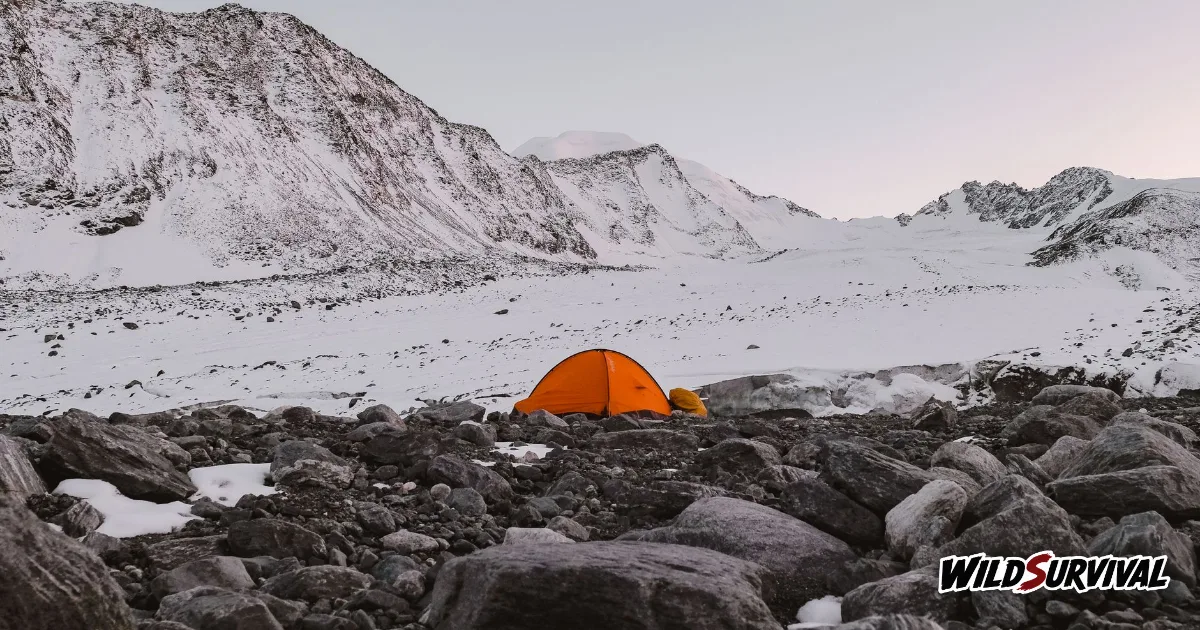
The seven Leave No Trace principles are: plan ahead and prepare, travel and camp on durable surfaces, dispose of waste properly, leave what you find, minimise campfire impacts, respect wildlife and be considerate of other visitors. On a wild camp, that means pitching at least 200 feet, roughly 60 metres, from water, burying solid waste 15 to 20 centimetres down, carrying your toilet paper home and cooking on a stove. In Britain, the Countryside Code and the Scottish Outdoor Access Code add their own rules on top.
Planning a wild camp the Leave No Trace way
The seven principles were set out by the Leave No Trace Center for Outdoor Ethics, building on work done in the mid-1980s by the US Forest Service, the National Park Service and the Bureau of Land Management. The National Park Service page on the seven Leave No Trace principles reproduces them with that credit. Principle one, plan ahead and prepare, happens at the kitchen table.
The NPS list is practical. Know the regulations and special concerns of the area, prepare for extreme weather, hazards and emergencies, avoid the busiest periods, travel in small groups and repackage food to cut waste. It also asks you to navigate with a map and compass or GPS, so that nobody has to leave paint marks, cairns or flagging tape behind to find the way back.
In Britain, knowing the rules starts with knowing which code applies. The Countryside Code, published by Natural England and Natural Resources Wales and last updated on 26 May 2023, covers England and Wales. It says nothing specific about wild camping, so check the rules of the land or national park you are heading into before you pitch. Scotland has its own text, the Scottish Outdoor Access Code, which deals with camping directly.
Choosing durable ground for the tent
The second Leave No Trace principle asks you to travel and camp on durable surfaces. The NPS names them: maintained trails and designated campsites, rock, gravel, sand, dry grass or snow. It also sets a distance, camping at least 200 feet from lakes and streams, which works out at about 60 metres, to protect the banks.
The same page adds that good pitches are already out there to be found, and that altering a site is unnecessary. In practice, put the tent where the ground is already bare or compacted, leave plants and stones where they are, and skip the trench around the porch. Our guide to choosing a campsite location covers what to check before the pegs go in.
Scotland adds its own markers. The Scottish Outdoor Access Code camping guidance describes lightweight camping in small numbers, for no more than two or three nights in one place, well away from buildings and roads and out of enclosed fields of crops or farm animals. In parts of Loch Lomond and The Trossachs National Park, camping is only permitted within campsites or with a camping permit.
The NPS also separates busy ground from untouched ground. In popular areas, Leave No Trace means sticking to existing trails and pitches, walking single file in the middle of the path even when it is muddy, and keeping camp small. In pristine areas, spread out so that no new pitch or path forms.
More articles on WildSurvival
- Dakota Fire Hole: How to Dig an Underground Campfire
- How Much Water to Drink When Hiking, and When to Drink It
- Walking Time in the Hills: Naismith’s Rule and Its Rivals
Toilet waste, litter and washing up
Pack it in, pack it out: that is how the NPS sums up principle three. Check your pitch, your cooking spot and your rest stops for rubbish or spilled food, and carry out all litter and leftovers. The Countryside Code says the same in plain English, asking you to take your litter home and leave no trace of your visit.
For toilet waste, the NPS says to use facilities wherever they exist. Otherwise, dig a cathole 6 to 8 inches deep, which is 15 to 20 centimetres, at least 200 feet from water, camp and trails, then cover and disguise it. Toilet paper and hygiene products go home with you. The Scottish code sets its own minimum of 30 metres from lochs, rivers and burns, and tells you to bury waste in a shallow hole and replace the turf, or bag it and carry it away. Sticking to the 60 metre figure keeps you clear of both.
To wash yourself or your pots, carry water 200 feet away from streams and lakes, use a small amount of biodegradable soap, strain the dishwater and scatter it. Our piece on hygiene in the backcountry goes through what people tend to forget to pack.
Leaving rocks, plants and the past where they are
The fourth Leave No Trace principle keeps the place as it was before you arrived. The NPS asks you to look at and photograph cultural or historic structures and artefacts without touching them, to leave rocks, plants and other natural objects as you find them, and to avoid moving non-native species around. It also rules out building structures or furniture and digging trenches.
On a wild camp, Leave No Trace mostly comes down to small habits here: the stone seat built for dinner, the wildflower picked on the way up, the cairn topped up on the summit. The Countryside Code makes the same request in its own words, asking you to leave gates and property as you find them and to stay on marked paths, even muddy ones, unless wider access is available. A good check as you leave is whether the next walker could tell that anyone slept there.
Stoves, campfires and British fire rules
The NPS notes that campfires can leave lasting marks on the land, and recommends a lightweight stove for cooking and a candle lantern for light. Where fires are permitted, it points to existing fire rings, fire pans or mound fires, kept small and fed only with dead wood from the ground that breaks by hand. Burn it all to ash, put the fire out completely, then scatter the cool ashes.
British guidance leans firmly towards the stove. The Countryside Code says not to light fires and to have barbecues only where signs say you can, then to make sure the ashes are cold. The Scottish code asks you not to light an open fire, fire bowls and barbecues included, during long dry spells or near forests, farmland, peaty ground, buildings or historic sites. It tells campers to set the stove on a level, non-flammable surface away from dry grass and the tent, and to keep a close watch on it.
The Scottish guidance also has a line that fits Leave No Trace well: deadwood is home and food for many creatures, so leave it on the ground and never cut down or damage trees.
Keeping wildlife and livestock undisturbed
The sixth Leave No Trace principle starts with distance. The NPS asks you to watch wildlife from afar without following or approaching it, and never to feed animals, because feeding harms their health, changes their behaviour, gets them used to people and exposes them to predators. Store food and rubbish securely to protect both the animals and your supplies. Our article on the mistakes that attract wildlife to a campsite goes further on this.
Keep pets under control at all times or leave them at home, the NPS adds, and avoid wildlife during mating, nesting, raising young and winter. The Countryside Code turns that into a firm rule for dogs: between 1 March and 31 July, they must be on a lead on Open Access land, with or without livestock in sight. The Code also asks you to give wild animals, livestock and horses plenty of space, and to take care around birds that nest on the ground.
Sharing a quiet pitch with other walkers
The last of the Leave No Trace principles is about people. The NPS asks you to respect other visitors and the quality of their trip, yield to others on the trail and step to the downhill side when you meet pack animals. For a wild camp, the key lines are to take breaks and camp away from trails and other visitors, and to let nature’s sounds prevail by keeping voices and noise down.
Before you pack up, walk one last lap of the pitch, with a head torch if it is still dark. A wrapper, a bottle cap or a forgotten tent peg takes two minutes to pick up, and that final check is what turns a night out into a Leave No Trace camp.