


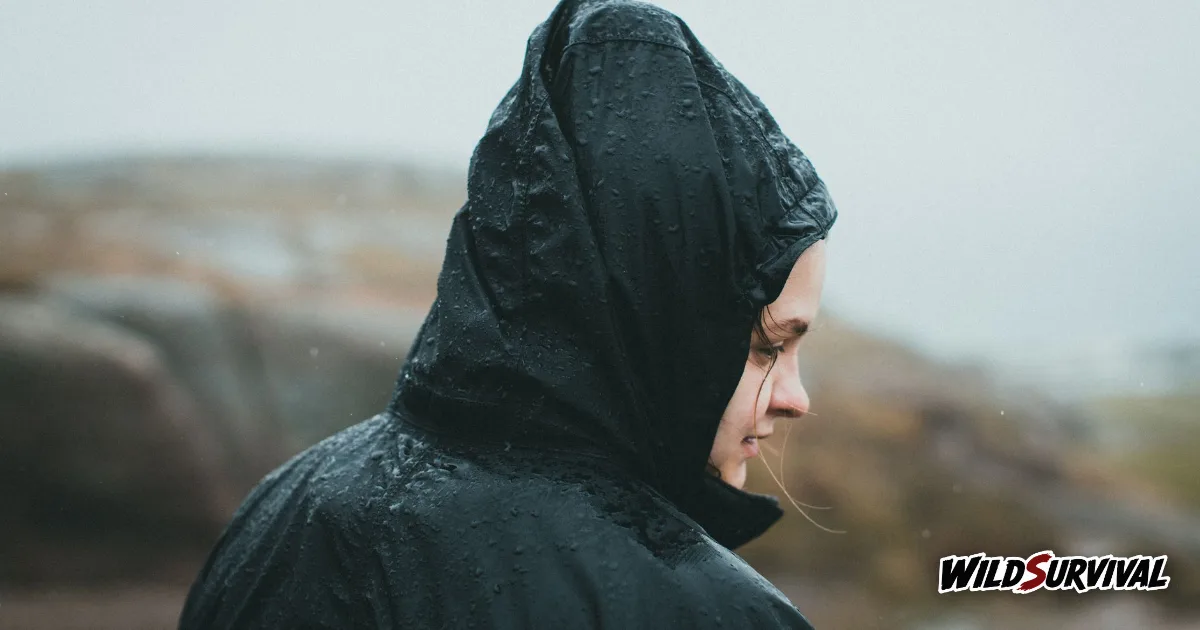
To reproof a waterproof jacket, start with a proper wash: liquid detergent, no fabric softener and the temperature printed on the care label, followed by a short spell in a tumble dryer or under a warm iron to wake up the water-repellent finish. Reach for a wash-in or spray-on proofer only if water still soaks into the fabric after that. The membrane inside a Gore-Tex or similar shell keeps blocking rain the whole time, and what wears out is the treatment on the outer fabric.
What the membrane does and what the DWR does
A breathable waterproof jacket relies on two separate layers of protection. Gore-Tex’s own advice on washing its jackets explains that the membrane sits on the inside of the outer fabric and stops water from outside getting into the garment, and that this is a durable feature. On top of that, the face fabric carries a durable water repellent, usually shortened to DWR, which makes rain bead up and roll off. Gore-Tex is clear that this repellent is temporary by nature: it needs good care, and restoring from time to time.
The British brand Rab describes what happens once that finish fades in its guide to washing waterproof jackets and trousers. Water soaks into the surface layer of the fabric, a state known as wetting out, and the moisture your body gives off can no longer escape. You end up feeling clammy inside a shell whose membrane is still keeping the weather out.
That is why outdoor brands talk about the need to reproof a waterproof jacket even when it remains technically waterproof. The goal is to get water sliding off the face fabric again, which lets the membrane breathe as it was designed to. Our guide to the layering system for hiking explains where this outer shell fits alongside your insulation and base layer.
Signs your jacket needs a wash or a fresh treatment
The first clue is visible from across the room, and it tells you when to reproof a waterproof jacket. Gore-Tex recommends washing whenever a garment looks dirty, feels dirty, smells, or water no longer beads on its surface. Rab uses the same marker: once water stops forming droplets and rolling away, the DWR is due some attention.
Grime you cannot see matters just as much as mud. According to Gore-Tex, residue from body fats, skin care products, sun cream and insect repellent can permanently impair the waterproofness and breathability of a garment. Rab lists sweat, dirt and sun cream among the contaminants that work their way into the fabric and drag down its performance. Gore-Tex adds that a jacket left unwashed collects these deposits, and that the tape covering the seams can eventually peel up or come loose.
Gore-Tex suggests a quick check: sprinkle a little water over the jacket. If it beads, the repellent is still doing its job. If it soaks in, the table below gives you the order in which to reproof a waterproof jacket.
| What you notice | What to do next |
|---|---|
| The jacket looks grubby, smells or has seen weeks of use | Wash it with liquid detergent |
| Water soaks in even though the jacket is clean | Give it heat in a tumble dryer or with an iron |
| Water still soaks in after washing and heat | Reproof a waterproof jacket with a dedicated product |
More articles on WildSurvival
- Dakota Fire Hole: How to Dig an Underground Campfire
- How Much Water to Drink When Hiking, and When to Drink It
- Walking Time in the Hills: Naismith’s Rule and Its Rivals
Washing a Gore-Tex shell at home
Any attempt to reproof a waterproof jacket begins in the washing machine. Gore-Tex tackles the common worry that machine washing will ruin an expensive shell head-on, pointing out that the build-up of grime between washes is what does the damage. If you are still weighing up which shell deserves that care this season, our comparison of the best Gore-Tex hiking jackets puts the main models side by side.
Before the wash, Gore-Tex asks you to do up every zip, closure and pocket, and to loosen the drawcords in the hood and around the hem. Keep the jacket away from heavily soiled clothing. The brand recommends half a cap of liquid detergent, a delicate cycle at 40°C, and two rinses at a low spin speed. Powder detergents, fabric softeners, stain removers and bleach are all off the list.
Gore-Tex has tested detergents on its own garments, and found that repeated use of powder can reduce breathability, which did not happen with liquids. The same advice notes that specialist detergents for technical clothing performed about the same as conventional ones in those tests, so a plain liquid detergent from the supermarket shelf will do the job.
Rab takes a slightly cooler approach. It suggests rinsing the empty washing machine first, emptying the pockets and closing every zip and hook-and-loop fastening, then washing on a gentle setting at about 30°C with a non-biological liquid detergent, a liquid pure soap or a dedicated technical cleaner. Spin at 400 rpm, then hang the jacket up to dry. With Gore-Tex at 40°C and Rab at around 30°C, the figure that counts is the one on the care label sewn into your own jacket.
Bringing the water repellency back with heat
Once the jacket is clean, heat can be enough to reproof a waterproof jacket without any product at all, by reactivating the original finish. Gore-Tex says to line dry it or tumble dry at a low temperature, and once it is dry, to put it back in the tumble dryer for another 20 minutes. If you do not own a dryer, the brand suggests ironing at a low temperature with no steam and a tea towel between the iron and the fabric.
Rab gives similar settings, provided the care label allows it: 20 to 30 minutes in a tumble dryer on low heat, or an iron on medium heat with a cloth barrier. Both brands keep a layer of fabric between the iron and the jacket at all times.
Then repeat the water test on the shoulders and sleeves. If the drops bead and run off, the jacket is good to go for a while. If water still soaks into clean, heated fabric, Gore-Tex says a new water-repellent treatment is needed, and that is the moment to reproof a waterproof jacket with a proofer.
When to reproof a waterproof jacket with a wash-in or spray-on proofer
Proofers come in two formats, and Gore-Tex mentions both as ways to reproof a waterproof jacket. A wash-in product goes in the machine and treats the whole garment, while a spray goes onto the outer fabric and lets you target the areas that take the most wear.
If you want to reproof a waterproof jacket in the machine, Nikwax’s instructions for TX.Direct Wash-In set out a clear method. Clean the jacket first with the brand’s Tech Wash in a separate cycle, and keep conventional detergents out of it. Then put a maximum of two clean garments in the machine, add 100ml of TX.Direct per garment, and run a 30°C synthetic cycle on a slow spin. Nikwax asks you to skip drying between the clean and the waterproofing.
Afterwards, air dry the jacket, or tumble dry it on a low setting if the care label allows. Nikwax states that the repellency develops as the garment air dries, so the dryer is optional, and the product carries a PFAS-free label. For hand washing, the brand gives 100ml of product in 7.5 litres of hand-hot water, a five-minute soak, and a cold rinse until the water runs clear.
To reproof a waterproof jacket one patch at a time, Nikwax also sells TX.Direct Spray-On, which you spray evenly from 15cm onto a clean, wet jacket. Leave it for five minutes, then wipe off any surplus with a damp cloth. The wash-in version suits a jacket that has lost its repellency all over. The spray makes more sense when only a few areas are letting water in, or when you are washing by hand.
How often to wash and reproof your shell
Gore-Tex puts numbers on it. After intense use, such as hiking, cycling or running where you sweat a lot, it recommends a wash every 5 to 8 days. After moderate everyday use, the interval stretches to every 10 to 20 days. Rab goes further and advises washing your shells after every trip, as well as whenever they look dirty or the DWR starts to lose its effect.
The decision to reproof a waterproof jacket with a product comes case by case, once water keeps soaking in after a wash and a round of heat. Gore-Tex links the lifespan of the repellent to how hard the garment is used, so a jacket worn every weekend will need attention sooner than one that comes out a few times a year. Whatever the timing, Nikwax insists on a clean jacket before any treatment goes on.
A good habit is to check your shell the evening before a wet outing with the water test, and to keep the order of wash, heat, then product. Only reproof a waterproof jacket with a treatment once the first two steps have had their chance. Our advice on hiking in the rain picks up from there, with ways to manage moisture once you are out on the trail.